Cost comparison garden maintenance versus DIY Penge: what really saves money in the long run?
If you are weighing up cost comparison garden maintenance versus DIY Penge, you are probably trying to answer a very normal question: is it cheaper to do the work yourself, or to pay someone who knows the job and can get it done properly? On paper, DIY often looks like the bargain. In reality, the numbers can shift once you factor in tools, time, waste disposal, repeat visits, and the slightly annoying fact that gardens keep growing back. Truth be told, that last part catches a lot of people out.
This guide breaks the comparison down in plain English, with local Penge realities in mind. You will see where DIY genuinely saves money, where professional garden maintenance can be better value, and how to judge the decision for your own space. If you want to explore the service side further as you read, it can help to glance at the garden maintenance service and the broader services overview so you can match tasks to the right level of support.
Let's face it, a tidy garden is lovely. But a half-finished one with blunt shears, a broken bag, and weeds quietly staging a comeback? That is less lovely. This article will help you make a smarter choice, not just a cheaper one.
Table of Contents
- Why cost comparison matters
- How the DIY versus professional cost comparison works
- Key benefits and practical advantages
- Who this is for and when it makes sense
- Step-by-step guidance
- Expert tips for better results
- Common mistakes to avoid
- Tools, resources and recommendations
- Law, compliance, standards and best practice
- Options, methods and comparison table
- Case study and real-world example
- Practical checklist
- Conclusion
- Frequently asked questions
Why Cost comparison garden maintenance versus DIY Penge Matters
Garden upkeep is one of those household jobs that looks simple until it begins to spread. A lawn needs regular mowing, hedges need cutting back, borders need weeding, paths collect debris, and suddenly the garden is taking up every spare Saturday. In Penge, where many homes have compact front gardens, longer rear plots, shared access, or mature planting, the workload can be deceptively high.
The money question matters because garden maintenance is not just a one-off spend. It is recurring. If you choose DIY, the cost may be lower each visit, but the time commitment never really disappears. If you choose a professional service, you are paying for labour, equipment, know-how, and consistency. The best option depends on what you value most: lower cash outlay, less hassle, or a more reliable result.
There is also a bigger picture. Small neglected tasks can turn into larger jobs. A hedge left too long grows dense and awkward to shape. Wet grass matted down for weeks can make mowing harder. A garden that drifts for a season often needs a deeper reset rather than routine upkeep. That is usually where the economics start to change.
For some people, the decision is really about managing life, not just a garden. Busy working weeks, family commitments, mobility concerns, or simply not wanting to spend Sunday afternoon wrestling a strimmer can all shift the balance. And that is fair enough.
How Cost comparison garden maintenance versus DIY Penge Works
The comparison is easiest when you split costs into direct, indirect, and hidden categories. Direct costs are the obvious ones: fuel, blades, compost, bags, and maybe a few hand tools. Indirect costs are your time, travel to buy supplies, and the effort of doing the work properly. Hidden costs are the awkward extras: replacing worn tools, disposing of green waste, correcting mistakes, or paying for a bigger job later because the garden was left too long.
DIY usually starts with a lower cash spend. You already own a mower, or you buy a cheap one, and the job seems manageable. But if your mower is underpowered for the lawn, your hedge trimmer is blunt, or you need ladders for anything higher up, the cost picture changes fast. Professional maintenance brings a higher upfront price, but the work tends to be more efficient, and the outcome more predictable.
A proper comparison should look at the whole cycle, not just one visit. Think in terms of monthly, seasonal, or annual upkeep. A neat garden in spring may need lighter maintenance in summer, then a tidy-up and leaf clearance in autumn. The rhythm matters. If you are only comparing a single sunny afternoon, DIY will nearly always look cheaper. If you compare twelve months of effort and repeat spending, the answer is less obvious.
This is also where service scope matters. Basic mowing and weeding are one thing. Larger tasks such as hedge trimming, clearance, or garden makeovers belong in a different cost bracket. If you want to understand how professional support is structured, look at the pricing and quotes page and the specific lawn mowing, hedge trimming, and garden clearance services.
Key Benefits and Practical Advantages
The most obvious DIY benefit is control. You decide when the work gets done, how often, and how carefully. If you enjoy gardening, that can be a real advantage. There is something satisfying about hearing the mower on a dry morning and seeing the garden come back to life. A lot of people genuinely like that part. And to be fair, there is nothing wrong with wanting the exercise.
Professional garden maintenance has a different set of advantages. You get consistency, less disruption, and fewer delays caused by weather, fatigue, or lack of time. The job tends to be completed more quickly and, in many cases, more evenly. That matters for presentation, but also for plant health. A poor cut or overcut hedge can take weeks to recover.
Another advantage of professional help is better judgement. An experienced gardener will often spot issues early: a lawn thinning out, a hedge becoming woody, a drainage problem, or a border that is being swallowed by bindweed. That sort of observation can save money later, because small problems are much cheaper than large ones.
Here is the real-world trade-off in one sentence: DIY is usually cheaper in cash, while professional maintenance is often cheaper in stress. Sometimes both can be true at once, which is the nice outcome everyone wants.
Expert summary: If a task is regular, straightforward, and you already own the right kit, DIY can be the better value. If the job is time-sensitive, physically demanding, or easy to get wrong, professional maintenance often delivers better long-term value.
Who This Is For and When It Makes Sense
This comparison is useful for several kinds of homeowners and landlords in Penge. If you are trying to keep monthly spending down, DIY may be attractive. If you have a small garden and a couple of basic tools, you may be able to handle routine upkeep yourself without much fuss.
It also makes sense if you like gardening and already view it as part of your weekend routine. Some people enjoy pottering around with secateurs and a cuppa nearby, checking the borders while the air smells faintly of cut grass. No drama, no rush. In that case, the monetary saving is a bonus rather than the main reason.
Professional maintenance tends to make more sense if you are:
- short on time most weeks
- managing a larger or more complex garden
- unable to do heavier physical work comfortably
- dealing with overgrowth after a period of neglect
- trying to keep a property presentable for tenants, buyers, or family visitors
- wanting a regular maintenance schedule rather than ad hoc tidying
It can also be the better route if the job needs specialist equipment. A high hedge, a dense clear-out, or work around decking and hard landscaping is not the sort of thing you want to improvise on the cheap. You can see the range of related work through landscaping, landscape gardening, and decking services.
Step-by-Step Guidance
If you are trying to choose between DIY and paying for help, work through the decision in a simple order. It keeps the emotion out of it, which is useful because gardens have a way of making people overestimate what they can achieve in one afternoon.
- List the tasks. Break the garden into jobs such as mowing, weeding, pruning, hedge trimming, edging, leaf clearance, and waste removal.
- Estimate how often each job appears. A lawn might need weekly attention in peak season, while hedge cutting may be seasonal.
- Check what you already own. Mower, shears, gloves, fork, rake, strimmer, bags, and fuel all count.
- Estimate your time realistically. Do not use your ideal weekend mood as the benchmark. Use actual available time.
- Include disposal. Green waste often takes longer to deal with than people expect.
- Consider the finish you need. A functional tidy-up and a presentational finish are not the same thing.
- Compare repeated cost over a year. This is where the true picture usually appears.
- Factor in risk. If ladder work, heavy lifting, or awkward access is involved, cost is not the only issue.
Once you have done that, the decision normally becomes clearer. A small, low-maintenance garden may be ideal for DIY. A heavy-growth garden with regular upkeep may be better handled by a professional service such as routine garden maintenance or scheduled lawn mowing.
One practical tip: if you are unsure, start with a professional reset and then decide whether you can maintain it yourself afterwards. That hybrid approach is often the sweet spot. Not always, but often.
Expert Tips for Better Results
First, be honest about what kind of gardener you are. Some people are methodical and love routine. Others mean well, then life happens, and the dandelions stage a takeover. If that sounds familiar, build the plan around your actual habits, not your best intentions.
Second, buy for the job, not for the fantasy. A tiny hand mower might look cheap, but if it struggles with your grass length it will waste time and leave a patchy finish. Likewise, a bargain hedge trimmer is not much of a bargain if it only lasts one season. The cheapest tool is not always the cheapest solution.
Third, if you do DIY, keep the work regular. Small and frequent is usually easier than big and rare. Once the garden drifts too far, jobs become more physically demanding and the time savings vanish. A ten-minute tidy can stop becoming a three-hour rescue mission.
Fourth, leave awkward or hazardous jobs to specialists. Tall trees, unstable branches, and large clearance work are not worth improvising. If you need help with heavier work, the tree lopping and removal and garden clearance pages are the right place to start.
Fifth, think in seasons. In Penge, damp conditions and leaf fall can quickly make paths slippery and lawns messy. A seasonal approach keeps the garden manageable and the costs steadier too. Simple, really.
Common Mistakes to Avoid
The most common mistake is comparing only the visible price. If a gardener charges for labour, it may feel like a bigger spend than buying your own tools. But if you need to buy those tools anyway, and then replace them, and then spend three Saturdays using them, the DIY calculation changes.
Another mistake is underestimating waste. Bags of cuttings, hedge trimmings, and soil offcuts are not magically harmless once they leave the border. Disposal needs time, transport, and in many cases another service layer. People often forget this until the shed starts looking like a holding area for green rubbish.
It is also easy to overreach. Taking on a large hedge cut, a deep clearance, and a full lawn revival in one weekend sounds heroic. Usually it just leaves you tired, sore, and staring at an unfinished garden on Sunday evening. Been there, more or less.
A final mistake is using inconsistency as a strategy. DIY works best when it is steady. If your schedule is all over the place, costs creep up because the work gets harder each time. That is when professional help starts to look less like a luxury and more like sensible planning.
Tools, Resources and Recommendations
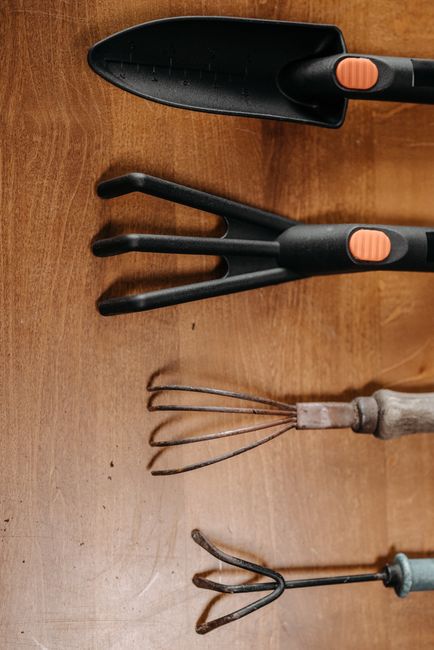
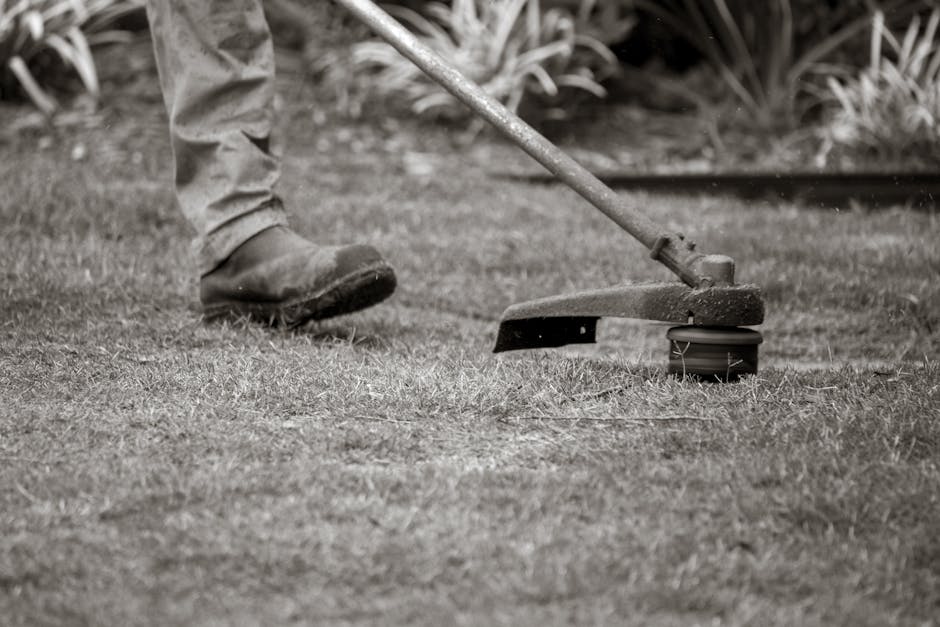
For DIY garden maintenance, the core toolkit is usually modest, but it depends on the size and style of the garden. Most households benefit from a reliable mower, secateurs, shears, a rake, gloves, a sturdy bucket or trug, and good bags for waste. A strimmer can be useful too, though it is one of those tools that rewards care and patience.
If you are maintaining planting beds, add in a hand fork, trowel, and edging tool. For hedges, you may need shears or an electric trimmer, though the right choice depends on hedge type and thickness. For larger or more repetitive jobs, the economics often favour bringing in a service rather than building an expensive tool collection you use only a few times a year.
On the professional side, the most useful resources are the ones that help you understand what you are paying for. That includes clear service descriptions, realistic scheduling, and transparent pricing. The pricing and quotes page is a sensible starting point if you want to compare costs properly. If you want to understand how different garden tasks fit together, services overview gives a useful wider view.
If your garden has mixed features, such as lawn, planting beds, decking, and boundary hedging, it may be helpful to think of it as a maintenance system rather than a single task. That sounds grander than it is. In practice, it just means one neglected area can affect the rest.
Law, Compliance, Standards and Best Practice
For ordinary garden maintenance, the main compliance issues are usually safety and responsible disposal rather than anything overly formal. If you are doing the work yourself, you still need to use tools sensibly, avoid unsafe access, and take care with anything that could cause injury or property damage. That is especially true with ladders, power tools, and tree-related work.
There are also practical best practices around insurance and risk. If you are hiring a provider, it is reasonable to ask how they handle safety, what their cover looks like, and how they work around hazards. A trustworthy business should be able to talk clearly about this. You can review the company's approach through the insurance and safety page and its health and safety policy.
Waste handling is another area where best practice matters. Green waste should be managed responsibly, and recycling where possible is a good standard to aim for. That is why it can be helpful to look at a provider's recycling and sustainability approach, especially if you care about how waste is sorted and dealt with.
If a job involves larger trees, structural features, or heavy clearance, it may also need a more cautious approach than basic garden tidying. No one wants a neat budget and a messy accident. So yes, safety and competence matter, even if the job looks simple from the patio.
Options, Methods and Comparison Table
The best way to compare garden maintenance and DIY is to separate task type from total cost. Some jobs are ideal for self-management, while others are better outsourced. Here is a simple comparison to make that easier.
| Factor | DIY garden maintenance | Professional garden maintenance |
|---|---|---|
| Upfront cash spend | Usually lower at first, especially if you already own tools | Usually higher per visit |
| Time required | Higher for you personally | Lower for you personally |
| Equipment | You buy, store, maintain, and replace it | Included in the service |
| Consistency | Depends on your routine and energy | More predictable |
| Quality of finish | Can be very good, but varies | Often more even and efficient |
| Waste disposal | You handle it yourself | Often managed as part of the job or quoted separately |
| Risk level | Higher if you take on awkward or elevated tasks | Reduced when work is done by trained operators |
| Best for | Small, simple gardens and hands-on owners | Busy households, larger gardens, and problem overgrowth |
The table is only a starting point, of course. A small garden with no trees and a tidy lawn can be genuinely economical to maintain yourself. A medium-sized garden with hedges, seasonal clearance, and awkward corners can be a different story altogether. The more varied the garden, the more likely professional help becomes better value.
Case Study or Real-World Example
Imagine a typical Penge garden with a modest lawn, two hedge sections, a few beds, and a rear corner that always seems to attract leaves, twigs, and "things that fell there ages ago". The homeowner enjoys gardening, but work is busy and weekends are patchy.
At first, they buy a mower, shears, bags, and a hedge trimmer. The DIY spend is not enormous, and the first few weekends feel manageable. Then the hedge grows faster than expected, the mower blade needs replacing, the green waste starts piling up, and a wet month makes the lawn harder to cut neatly. Nothing dramatic. Just a slow accumulation of faff.
After a season, the homeowner compares the true cost. The DIY approach has saved money on labour, yes, but it has also cost several hours every month and a few replacement items. They decide to keep the easy tasks themselves and book professional support for hedge trimming and the heavier seasonal jobs. That hybrid model ends up being the most sensible balance.
That is often the pattern, honestly. People rarely need all-or-nothing. They need a workable middle ground.
Practical Checklist
Use this quick checklist before deciding whether to DIY or hire help:
- Do I know exactly which garden tasks need doing?
- Do I already own suitable tools?
- Will I realistically have time every week or month?
- Is any part of the job physically awkward, heavy, or risky?
- Will I need to dispose of green waste myself?
- Would a one-off reset be better before deciding on DIY?
- Do I need a tidy finish for visitors, tenants, or a sale?
- Is the garden small enough to keep on top of without stress?
- Would regular scheduled maintenance reduce future work?
- Have I compared the full yearly cost, not just one visit?
If you tick more boxes under time pressure, complexity, and waste handling, professional help may be the better value. If you tick more boxes under simple tasks, existing equipment, and regular routines, DIY may make sense. There is no prize for choosing the hardest route.
Conclusion
In the end, Cost comparison garden maintenance versus DIY Penge is not really about finding the absolute cheapest route. It is about choosing the option that gives you the best value for your own garden, schedule, and tolerance for effort. DIY can work brilliantly for simple, regular upkeep. Professional maintenance can be a smarter investment when the work is repetitive, time-consuming, or just too much to handle comfortably.
The most useful question is not "Which is cheaper today?" It is "Which will leave me with a healthier, tidier garden and fewer headaches over the next year?" Once you ask it that way, the answer often becomes clearer.
If you want a practical next step, compare your actual garden tasks against the service options and pricing information, then decide what belongs in your hands and what is better left to a professional. A little clarity now can save a lot of bother later. And a calmer Saturday, too.
Get a free quote today and see how much you can save.
Frequently Asked Questions
Is DIY garden maintenance always cheaper than hiring help in Penge?
Not always. DIY usually costs less in direct cash if you already own the tools, but the full cost includes your time, maintenance of equipment, waste disposal, and the risk of doing a job twice. For simple gardens, DIY can be cheaper. For larger or more demanding gardens, professional maintenance may offer better overall value.
What hidden costs should I include in a DIY comparison?
Think about tool replacement, fuel or electricity, bags, compost, disposal, storage, sharpening blades, and the time spent travelling for supplies. People often forget the "small stuff", but that is where DIY budgets quietly drift upward.
When does professional garden maintenance make more sense?
It usually makes sense when the garden is large, the work is repetitive, the hedges are hard to reach, or you simply do not have time to stay on top of it. It is also a sensible option after overgrowth has got out of hand.
Can I do some jobs myself and hire out the rest?
Yes, and that is often the best approach. Many people mow the lawn or do light weeding themselves, then book help for hedge trimming, clearance, or seasonal reset work. That hybrid method can be both cost-effective and realistic.
How often should a garden be maintained to keep costs down?
Regular upkeep usually keeps costs lower because jobs stay manageable. If maintenance is left too long, tasks become bigger, harder, and more expensive. Small and frequent is nearly always better than big and occasional.
Is it worth paying for garden maintenance if my garden is small?
It can be, especially if you are busy or find the job physically demanding. Even a small garden can take more time than expected when you add weeding, pruning, and waste disposal. Small does not always mean simple.
What jobs are best left to professionals?
Heavier clearance, tall hedges, awkward access, and tree-related work are the main ones. Anything that needs specialist equipment or carries a higher safety risk is usually better handled professionally.
How do I know whether my tools are good enough for DIY?
If your tools are blunt, underpowered, unreliable, or awkward to use, the job will take longer and the finish may suffer. Good tools do not need to be fancy, but they should be fit for the size of garden you have.
Does regular maintenance really save money?
Yes, usually. A garden that is maintained regularly is easier to cut, trim, and tidy, which reduces labour time and prevents big catch-up jobs. Neglect is what tends to drive the costs up.
Are there safety things I should think about before doing garden work myself?
Definitely. Use tools properly, avoid unstable ladders, wear suitable gloves and footwear, and do not take on jobs that feel beyond your skill level. If a task looks risky, that is usually a good sign to step back and reassess.
How do I get a more accurate price comparison?
Write down the exact jobs, how often they need doing, what tools you already have, and how long each task takes. Then compare that against a quoted service or a clear price guide. A vague comparison will nearly always mislead you.
What is the most sensible first step if I am undecided?
Start with a clear list of tasks and compare one season of DIY against one season of professional maintenance. If the garden is currently overgrown, a professional reset can make the decision easier because you will be comparing like with like.
Whatever route you choose, the goal is the same: a garden that feels manageable, tidy, and worth spending time in. That part matters more than people sometimes admit.