Garden Maintenance in Penge

Garden maintenance in Penge works best when the tasks are organised, the seasons are understood and the results suit the property rather than a generic checklist. Our service focuses on keeping outdoor spaces tidy, manageable and in good shape through regular cutting, pruning, clearing and general upkeep. Whether a garden needs a light refresh or more consistent attention, the aim is to keep growth under control and make day-to-day use of the space easier.
The work can include lawn care, hedge trimming, border tidying, leaf collection and the removal of routine garden waste. We also support larger clear-downs where beds have become overgrown or paths are starting to disappear under vegetation. Practical maintenance is often the difference between a garden that feels neglected and one that can be enjoyed with less effort, so the service is built around sensible, visible improvement.
If you are planning a one-off tidy or a more regular schedule, tell us what needs attention and we can discuss the most suitable approach. You can also request a quotation once you have a clear idea of the work you want done.
Routine garden maintenance work
Regular maintenance is the core of many domestic gardens, especially where planting, lawn growth and boundary hedging change quickly through the year. We handle recurring care that keeps the space neat without overworking it, including grass cutting, edging, pruning of manageable growth and the removal of obvious mess. The point is not to impose a rigid schedule, but to match the work to how the garden actually grows and how the property is used.
Good maintenance also means noticing details that are easy to miss. A path may need clearing before it becomes slippery with fallen leaves. A hedge may need shaping before it blocks light or becomes too wide for comfortable access. Beds may need weeding before self-seeding plants start to dominate. In each case, the work is aimed at keeping control of the space while respecting the layout already in place.
Some customers prefer a simple seasonal reset, while others want steady upkeep that prevents the garden from slipping into heavy work later. If you are unsure which is the better fit, it helps to start with the most obvious tasks and build from there. That way the maintenance plan stays practical and based on what the garden genuinely needs rather than on unnecessary extras.
Lawns, borders and finishing details

Lawns are often the most visible part of a garden, so mowing, trimming edges and keeping the surface reasonably even are important parts of maintenance. A well-kept lawn can make the whole outdoor space feel more orderly, while poor trimming tends to give the impression that everything else has been left behind. Where needed, we can also deal with the surrounding edges so the result looks deliberate rather than hurried.
Borders and beds need a different approach because they are usually a mix of plants, soil, weeds and decorative features. Maintenance here may involve cutting back spent growth, removing unwanted spread and making sure the shape of the bed still complements the rest of the garden. This sort of work is especially useful where a garden has attractive planting that is being crowded out by faster growth or by untidy margins.
At the finishing stage, small details matter. Clean edges, swept paths and gathered clippings all help the garden look properly looked after. Finish work is not just cosmetic; it also makes the space easier to inspect, safer to walk through and simpler to maintain during the next visit.
Hedge trimming and manageable pruning
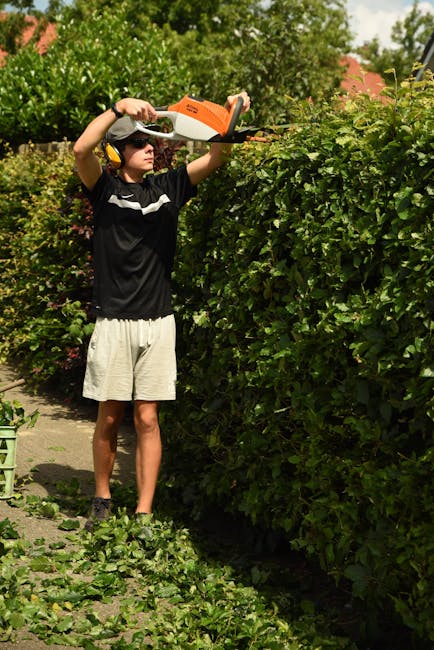
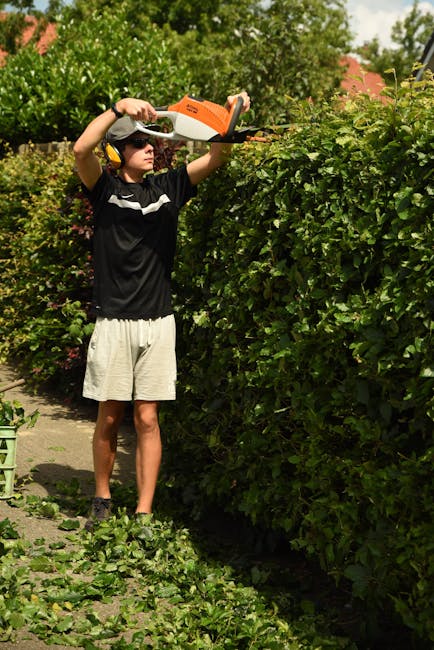
Hedges and shrubs need regular attention to stay compact, healthy and aligned with the structure of the garden. Our hedge trimming work covers shaping, reduction of obvious overgrowth and the tidying of sides and tops where growth has become uneven. For many properties, hedge care is not optional decorative work; it is part of keeping boundaries accessible, light levels reasonable and the garden feeling under control.
Pruning is often best approached with restraint. Cutting too hard or at the wrong time can leave plants looking bare or misshapen, while leaving them alone for too long can make later work much more difficult. We therefore focus on practical pruning of manageable growth, with an eye on keeping plants healthy and preserving the garden’s natural layout. Where special care is needed for a particular shrub or mature feature, the work should be planned accordingly.
If your garden has hedges that are starting to lean, arch over paths or reduce usable space, they usually benefit from attention before they become a bigger task. Regular trimming often keeps the work smaller and the finish neater. It also helps avoid the awkward edge cases where a minor nuisance turns into a heavier seasonal job.
Garden clearance when growth has run on
Some gardens do not need routine maintenance so much as a proper clear-out. Overgrown areas can hide waste, choke planting beds and make the rest of the garden hard to use. Garden clearance is the right option when you need a space brought back into order after a long pause, a busy season or a build-up of natural debris. The aim is to remove the excess growth and reveal the workable parts of the garden again.
This service can include cutting back thick vegetation, collecting loose material, removing dead growth and clearing access routes that have become difficult to follow. It may also involve separating what can stay from what needs to be taken away so the garden is left cleaner and easier to manage. In many cases, the right approach is a careful reduction first, followed by lighter maintenance so the space does not quickly return to the same condition.
Garden clearance is especially useful before ongoing maintenance begins, because it creates a manageable starting point. Once the worst of the growth is under control, it is much easier to keep on top of the garden with ordinary care rather than repeated heavy work. That makes the whole outdoor area more usable and less stressful to look after.
What affects the scope of clearance

Clearance work varies from one garden to another because the main factors are usually the amount of growth, the type of material present and the ease of access. A space with soft growth and open borders is very different from one with thick brambles, tangled shrubs or layers of old clippings. The size of the task is important, but so is whether the area can be reached safely and worked through in a sensible order.
It also helps to think about what the end result should be. Some customers want a full reset with as much excess removed as possible, while others need a lighter tidy that leaves existing plants intact. We can talk through the likely approach once the condition of the space is known. Clear guidance at the start makes it easier to decide how much work is needed and what can be completed within the available time.
For a tidy result, it is usually better to combine clearance with follow-up maintenance rather than treating them as separate problems. A cleared garden still needs edging, mowing or trimming to stay that way. That is why many people choose to move from a one-off recovery job into a simpler, regular upkeep pattern afterwards.
Helpful links and next steps
Once the main work is clear, it is often useful to review the wider service details alongside the practical scope of the job. The services overview gives a broad look at what we cover, while the garden maintenance page is a useful place to revisit the core service itself. If your garden needs specific attention, the pages for lawn mowing and hedge trimming explain two of the most common maintenance tasks in more detail.
For larger outdoor projects, the related pages on garden clearance, landscape gardening and landscaping help show how maintenance sits alongside more substantial improvements. If timber features or structural additions are part of the plan, decking services may also be relevant. The point is to choose the pages that match the work you actually need, rather than trying to force everything into one brief description.
If you are ready to compare options or want to move toward a formal request, take a look at the pricing and quotes page and then contact us to discuss the work. You can keep it simple: outline the garden, the main tasks and the outcome you want, and we can take it from there.
Preparing a clear quotation request
A good quotation request usually starts with a plain description of the garden rather than a long explanation. It helps to mention the size of the area, the main tasks involved and whether you need a one-off visit or regular upkeep. If there are features that need extra care, such as mature shrubs, tall hedges or a section that has become heavily overgrown, include those details as well. This keeps the conversation focused on the real scope of the work.
For some gardens, photographs can make the discussion easier because they show layout, growth level and access points. If you already know that the garden will need waste collected or a specific combination of tasks completed, it is sensible to say so early. Clear information often leads to a more useful quotation because it reduces uncertainty and makes the task easier to plan properly.
When you are comparing ideas for the job, it can also help to think about what is most important: appearance, control, ease of access or the removal of excess growth. Different priorities can shape the order in which the work is done. The best quotation is usually the one that reflects the actual condition of the garden, not just a rough guess at the amount of effort involved.
About Penge

Penge is a district in the London Borough of Bromley, in south-east London, with a built environment shaped by its growth during the nineteenth century. The area contains a mix of suburban streets, local shopping routes and residential terraces, and its present character reflects the expansion that followed the arrival of rail travel. Penge East and Penge West stations remain key reference points in the district, linking it with surrounding parts of London and reinforcing its commuter identity. The place name is also associated with several smaller local areas and historical references that give the district a layered identity rather than a single uniform feel.
One of Penge’s best-known open spaces is Crystal Palace Park, which lies close to the district and contributes strongly to its local landscape. The park is notable for the remains and legacy of the Crystal Palace itself, together with lakes, broad paths and a series of historic features that make it one of the most recognisable public spaces in the area. The wider district also includes tree-lined streets, Victorian and later housing, and a street pattern that shows how the area developed as London spread outward. Local architecture varies from long-established terraces to later infill development, creating a patchwork rather than a single architectural style.
Penge has long been connected with suburban life, local commerce and access to green spaces, and that mix continues to shape its identity today. Nearby routes toward Beckenham, Sydenham and Crystal Palace make it a district that sits between several different parts of south London, while still keeping its own sense of place. The area’s everyday character is defined less by one landmark than by the combination of transport links, residential neighbourhoods, and the open space that sits close by. That balance of urban and green elements has helped Penge retain a distinct position within the borough.
Seasonal upkeep and practical planning

Seasonal changes can quickly alter the appearance of a garden, which is why practical planning matters. Spring growth often needs trimming back into shape, summer can bring faster mowing and edging cycles, and autumn usually means more debris, leaf fall and general clearing. Rather than treating these as isolated events, it is often better to think about the garden as something that benefits from steady attention through the year. That approach keeps each visit focused and manageable.
Some gardens need a lighter touch because the planting is decorative and should not be cut back too hard, while others need firmer intervention to restore order and create open space again. We work with that balance in mind so the garden stays healthy as well as tidy. If there are sections that should be left alone for the moment, or areas where growth is meant to be reduced more substantially, those differences can be built into the work plan. The result is a more considered finish and less unnecessary disturbance.
When you are ready to move ahead, send over the details and we can help shape the job into something clear and workable. If you would like to talk through the next step, you can make an enquiry and request a quotation.