Emergency tree work Penge West same day gardeners: fast, safe help when a tree becomes a problem
If a branch has cracked after a gusty night, a tree is leaning the wrong way, or a fallen limb is blocking your drive, you do not want to spend the day ringing around and hoping someone picks up. You want practical help, quickly, and you want it done properly. That is exactly where Emergency tree work Penge West same day gardeners comes in: fast-response tree support for urgent situations, with safety and judgement at the centre of the job.
In a place like Penge West, where gardens, side access, fences, roofs, and narrow front paths all sit close together, a small tree issue can turn into a bigger one very quickly. This guide explains what emergency tree work actually covers, how same-day gardeners tend to handle it, what to expect, and how to make a sensible decision under pressure. No fluff. Just the stuff that helps when time is tight and the tree is not behaving itself.
Table of Contents
- Why Emergency tree work Penge West same day gardeners Matters
- How Emergency tree work Penge West same day gardeners Works
- Key Benefits and Practical Advantages
- Who This Is For and When It Makes Sense
- Step-by-Step Guidance
- Expert Tips for Better Results
- Common Mistakes to Avoid
- Tools, Resources and Recommendations
- Law, Compliance, Standards, or Best Practice
- Options, Methods, or Comparison Table
- Case Study or Real-World Example
- Practical Checklist
- Conclusion
- Frequently Asked Questions
Why Emergency tree work Penge West same day gardeners Matters
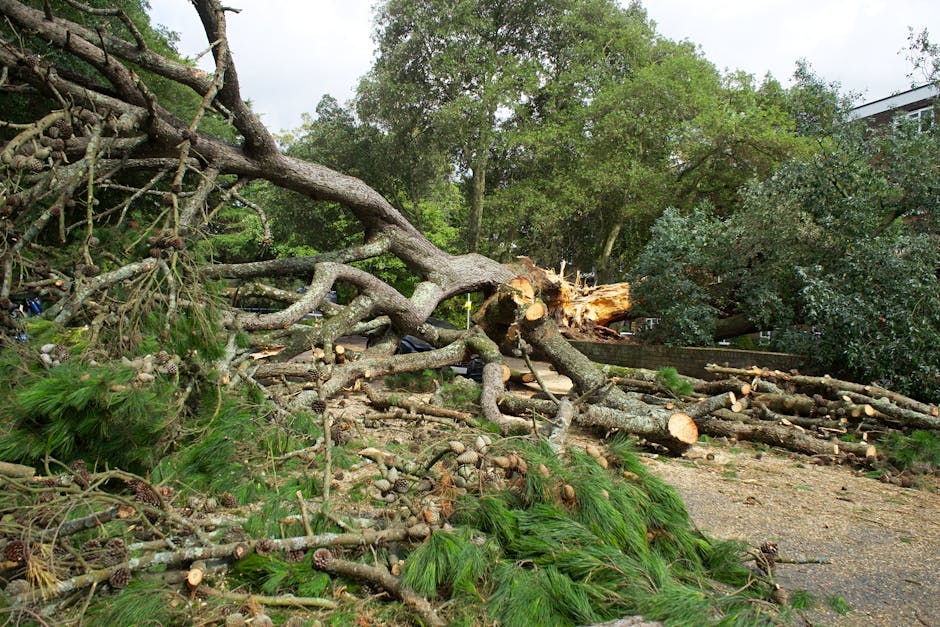
Emergency tree work is not the same as routine pruning. It is the urgent response you need when a tree, large branch, or overgrown limb is creating a real problem right now. That could mean a blocked path, unsafe hanging branches, storm damage, a split trunk, or a tree that suddenly looks unstable. And yes, sometimes it is less dramatic but still pressing: a damaged bough over a shed, a branch touching a roof, or debris scattered across the garden after a windy afternoon.
What makes this matter so much in Penge West is the built environment around it. Homes here often sit close together, with limited space for manoeuvring equipment and little room for error. A branch that looks "not too bad" can still be a hazard if it is strained, torn, or pressing against something fragile. The awkward bit is that trees do not always fail in neat, obvious ways. Sometimes you get the warning signs; sometimes you just hear a snap and think, well, that's not ideal.
Fast action reduces the chance of further damage. It can also reduce stress. Truth be told, when you are standing in the garden looking at a half-hanging limb after a storm, what you need most is clear guidance and a calm plan. A same-day gardener or tree worker can assess the problem, make the area safer, and decide whether the tree needs partial reduction, careful removal, bracing, or simple debris clearance.
For many households, the real value is not only speed. It is avoiding guesswork. A proper emergency response helps separate what is urgent from what merely looks alarming. That distinction matters. A lot.
How Emergency tree work Penge West same day gardeners Works
Emergency tree work usually starts with a quick phone assessment. The aim is to understand whether the situation is dangerous, whether access is possible, and what equipment may be needed. In a same-day situation, the first conversation should be practical and direct: what happened, where the tree is, what it is touching, and whether anyone has already tried to move the debris. That last part matters more than people think.
From there, the gardener or tree team will usually decide between a few immediate actions:
- make the area safe and remove loose material
- cut back broken or hanging branches
- carry out controlled sectional removal if a tree is unstable
- clear fallen timber from access routes, roofs, fences, or paths
- arrange a follow-up visit for non-urgent finishing work
If the job is serious, the response needs to be careful rather than fast for the sake of it. A rushed cut on a tensioned limb can make matters worse. A sensible contractor will think about load, balance, and escape routes before making the first cut. That may sound a bit technical, but it is really about not turning one damaged branch into three damaged things and a very bad afternoon.
Same-day gardeners who deal with tree emergencies also tend to work in stages. First comes safety; then access; then reduction or removal; then tidy-up. That sequence keeps the job under control. In many cases, the final part is just as important as the first: removing debris, checking for snagged branches, and leaving the space usable again. Nobody wants a garden that looks like a sawmill exploded in it.
Key Benefits and Practical Advantages
There is a straightforward reason people search for urgent tree help: they need the problem handled before it becomes a bigger mess. But the benefits go beyond speed alone.
- Reduced risk: Loose limbs, leaning stems, and storm-damaged trees can become unpredictable. Quick intervention lowers the chance of further failure.
- Protection of property: Prompt cutting or clearing can help prevent damage to fences, sheds, vehicles, roofs, and nearby planting.
- Better access: If branches are blocking a driveway, side return, or shared path, same-day support gets the space working again.
- Less stress: When the garden is under control, the situation feels manageable again. That alone is a relief.
- Cleaner decision-making: An experienced eye can tell the difference between a true emergency and work that can wait until daylight and better conditions.
There is also a practical financial angle, even if nobody enjoys talking about that while standing under a damaged tree. Dealing with the immediate hazard can sometimes reduce the scale of the eventual job. A branch cut early may save a whole tree later. Sometimes not, of course, but often enough to matter.
For ongoing outdoor care, many homeowners also link emergency work with broader upkeep. Once the urgent issue is dealt with, a follow-up with tree lopping and removal, hedge trimming, or even wider garden maintenance can help stop the same problem from returning after the next windy spell.
Who This Is For and When It Makes Sense
This service is for anyone who cannot safely leave the tree as it is until later. That sounds obvious, but people still hesitate. They wait. They hope the branch will "settle." It usually does not improve by itself.
Emergency tree work makes sense if you are dealing with any of the following:
- a fallen tree or large branch in the garden
- split limbs hanging over a path, roof, or neighbour's boundary
- a tree leaning after strong wind or saturated ground
- blocked access to a drive, alley, or rear garden
- branches striking windows, gutters, sheds, or fencing
- visible cracking, uprooting, or fresh instability at the base
It can also be useful for landlords, property managers, and homeowners preparing to deal with a tree that has suddenly become a liability. If a tree is threatening access or appears dangerous to passers-by, you should treat it seriously. Better safe than hoping for the best, really.
There are also situations where the issue is urgent but not yet catastrophic. For example, a branch may be resting on a fence and not fully broken, which can still be hazardous because tension can change suddenly. Or a tree may have dropped heavy limbs into a densely planted border, making it hard to assess the rest of the canopy. These are the jobs where judgement matters just as much as chainsaws and ladders.
Step-by-Step Guidance
If you need same-day help, it helps to know the usual order of play. That way, you can give clear information and avoid delays.
- Make sure people stay clear. Keep children, pets, and anyone else away from the affected area. If a branch is hanging or the tree is leaning, do not stand underneath it for a closer look. Curiosity is understandable. It is also how people get into trouble.
- Identify the immediate hazard. Is the tree touching a roof, blocking a route, or threatening to fall further? The main risk decides the urgency.
- Take a few basic notes. A quick description helps: location in the garden, size of the damaged limb, whether the trunk is split, and whether there is power-line proximity. If you can safely take a photo from a distance, that may help, but only if there is no risk.
- Contact a same-day gardener or tree team. Explain that it is an emergency tree job and say what is at stake. If access is tight, say so up front. Narrow side passages and rear-entry jobs need planning.
- Ask how the work will be made safe. A sensible contractor should explain whether they will remove loose material, reduce a hanging limb, sectional-fell part of the tree, or return later for fuller work.
- Confirm disposal and tidy-up. Emergency jobs can create a lot of waste quickly. You do not want a pile of brash left to rot in the rain. If you are comparing options, garden clearance can be useful where storm debris or broken timber has spread through the garden.
- Plan follow-up care. Once the urgency is handled, the remaining tree may need shaping, recovery pruning, or replacement planting. That part is easy to forget when everyone just wants to breathe again.
A good rule of thumb: if you would not feel comfortable standing beside the tree for a few minutes, it is probably not a DIY moment. And if there is any doubt about the condition of the trunk or root plate, let the professionals assess it before anyone starts cutting.
Expert Tips for Better Results
After enough emergency visits, a few patterns become clear. Some are obvious, some less so.
First, describe the problem, not just the tree. Saying "a branch has fallen" is useful, but "a heavy limb is resting on the shed roof and cracking at the attachment point" is much better. The details steer the response. Small difference, big effect.
Second, do not tidy up too much before help arrives. A tidy garden is nice, but not if you accidentally move something that was supporting a branch. In emergency situations, less handling is often safer than more.
Third, think about weather and timing. A dry afternoon is very different from a wet evening with low light and gusts still moving through the branches. Sometimes waiting an hour for safer conditions is the sensible choice. Not always, but sometimes.
Fourth, ask about insurance and safety practices. Reputable providers should be able to explain how they approach risky work, what precautions they take, and how they protect nearby structures. You can also review insurance and safety information and the business's health and safety policy if you want more reassurance before booking.
Fifth, keep communication simple. In an urgent job, clarity beats long stories. Where is the tree? What is it touching? Is anyone hurt? Is access clear? That kind of thing.
And one more, slightly obvious tip: if a worker says the tree needs further assessment rather than immediate cutting, that is usually a sign of caution, not hesitation. In tree work, that is a good thing. Nobody wins points for bravado with a saw in hand.
Common Mistakes to Avoid
People often make the same mistakes during emergency tree situations, usually because they are stressed and want a quick fix. Fair enough. Still, the wrong move can make the problem worse.
- Trying to pull a branch free: A branch under tension can spring back or shift unexpectedly.
- Climbing a ladder near a damaged tree: This is one of the riskiest things people do. Best avoided.
- Cutting without understanding weight transfer: Once a damaged limb starts moving, it may twist or tear further.
- Ignoring nearby structures: Gutters, fencing, glass, and neighbouring gardens all matter in a tight urban setting.
- Assuming all tree work is the same: Emergency tree work is different from planned pruning. The risks are higher, and the method needs to match.
- Leaving the site partly cleared and assuming that is enough: Unstable hanging wood can still pose a risk after the obvious debris is gone.
One of the quieter mistakes is delaying the call because the tree "does not look that bad." Sometimes it is not bad. But when it is bad, it can change fast. Better to have a proper assessment than discover later that the problem was more serious than it first looked.
Tools, Resources and Recommendations
You do not need to be a tree specialist to make a sensible emergency decision, but it helps to know the kind of tools and methods typically used. That gives you a better idea of what a proper response should look like.
| Method or tool | What it is used for | Why it matters in an emergency |
|---|---|---|
| Handsaw or pruning saw | Smaller cuts and controlled branch removal | Useful where precision matters and the branch is not too heavy |
| Chainsaw | Faster removal of thicker timber | Important for larger broken limbs or sectional dismantling |
| Ropes and lowering equipment | Managing heavy sections safely | Helps prevent damage to roofs, fences, and planting below |
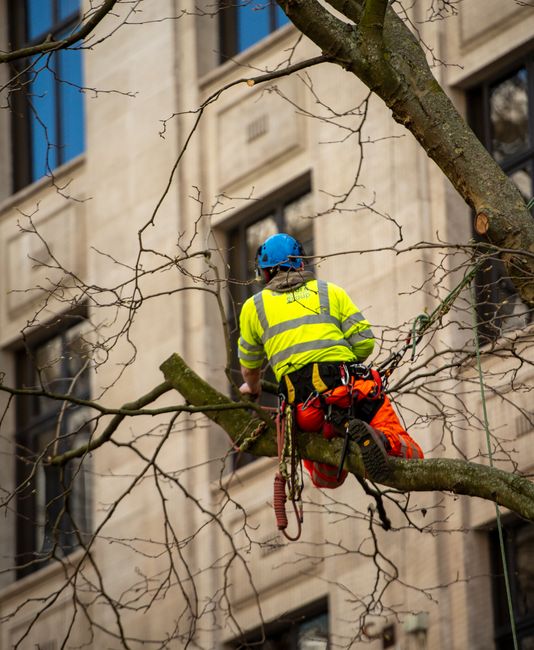
| Protective equipment | Safety gear for the operative | Part of standard good practice on higher-risk jobs |
| Chipper or waste loading system | Clearing brash and cuttings efficiently | Keeps access open and reduces the mess left behind |
For many households, the most useful recommendation is simple: use a company that offers a joined-up service, not just a one-off cut. That means emergency tree handling, follow-up pruning, and if needed, wider outdoor work. Pages such as services overview, tree lopping and removal, and garden maintenance can help you understand how the job fits into the bigger picture.
If the storm damage has left the whole space messy rather than just the tree itself, then pairing urgent tree help with garden clearance can be the tidiest route. Slightly boring, maybe, but very effective.
Law, Compliance, Standards, or Best Practice
Emergency tree work often brings up practical safety and responsibility questions. You do not need to become a legal expert to act sensibly, but there are a few UK norms worth keeping in mind.
First, if a tree is near boundaries, shared access, or neighbouring property, good communication matters. It is usually wise to be mindful of your neighbour's land and to avoid cutting in a way that creates avoidable dispute or damage. If the tree or branches are affecting another property, take extra care to document what has happened before work begins.
Second, tree work should be done with suitable precautions. That normally means using proper safety gear, planning the cut sequence, and avoiding unsafe access methods. If you are hiring someone, it is reasonable to ask how they manage risk and what they do if conditions change mid-job. Weather, ground softness, and overhead hazards can all alter the plan.
Third, if a tree is obviously unstable, it may not be appropriate to treat it as a routine garden task. The point is not to create drama. The point is to recognise when a job has moved into a higher-risk category. Best practice is to take that seriously, even if the tree is not yet on the ground.
Finally, transparency around payment, complaints, and privacy is a mark of a more organised business. If you want to understand how a provider handles these basics, you can review pricing and quotes, payment and security, complaints procedure, and privacy policy. It is not thrilling reading, to be fair, but it does tell you a lot about how the company works.
Options, Methods, or Comparison Table
Not every urgent tree issue needs the same solution. The best method depends on how dangerous the tree is, what it is touching, and how quickly the risk is changing.
| Approach | Best for | Pros | Limits |
|---|---|---|---|
| Immediate tidy-up | Fallen branches and light debris | Fast, low disruption, gets access back | Not suitable for unstable stems or heavy hanging wood |
| Selective pruning | Broken limbs and partial damage | Preserves more of the tree | Needs a stable tree and careful judgement |
| Sectional removal | Dangerous, leaning, or badly split trees | Controlled and safer around nearby structures | More time-consuming and usually more involved |
| Full removal | Severely damaged trees or trees beyond recovery | Removes the ongoing risk | May not be necessary if the tree can be retained safely |
In real life, the decision is often made on the spot after a careful look. A tree can seem like a complete write-off from the kitchen window and still be partly recoverable once inspected up close. Likewise, something that looks modest can turn out to be a proper hazard. Trees are a bit like that.
Case Study or Real-World Example
Here is a very typical scenario from a busy residential street: after a blustery night, a homeowner notices that a large limb has split from a mature garden tree and is now resting partly across the back fence. It has not fallen completely, but it is creaking every time the wind moves through. The garden is reachable only through a narrow side passage, and the owner wants the issue dealt with before school pick-up time the next day.
A same-day garden team would usually start by checking whether the limb is stable enough to approach and whether the fence or nearby planting is under load. From there, they would likely remove loose sections first, reduce the tension in the damaged limb, and clear the debris in stages. If the root system or trunk showed signs of movement, they would likely advise a fuller assessment rather than forcing a quick finish.
What makes this kind of job satisfying, oddly enough, is not just the removal itself. It is the way the space changes from tense and awkward to usable again. The fence is still there. The garden still smells like wet bark and leaf litter for a bit. But the danger has been dealt with, and that matters more than anything else in the moment.
That is the real value of emergency tree work done well: calm, controlled progress when people are worried and do not want to guess.
Practical Checklist
Use this quick checklist before and during an urgent tree situation.
- Keep everyone away from the unsafe area
- Do not stand under hanging limbs or leaning stems
- Check whether the tree is touching a roof, fence, shed, or cable
- Note the exact location and what happened
- Take a clear photo from a safe distance if appropriate
- Contact a same-day gardener or tree service
- Ask how the job will be made safe first
- Confirm whether debris removal is included
- Discuss follow-up care for the remaining tree
- Review safety, insurance, and payment information if you have time
If you want the wider garden restored after the emergency work, it can help to think about the whole space, not just the tree. Services like lawn mowing, landscaping, or even decking services may come into play once the immediate hazard is sorted and you are planning the next phase.
One useful extra: if the job has left you unsure about how the company works more generally, about us can help you understand the approach, while contact us is the obvious next step when time is short.
Conclusion
Emergency tree problems are stressful because they tend to appear suddenly, often after weather, wear, or simple bad luck. In Penge West, with close gardens and tight access, speed matters, but careful judgement matters just as much. The best same-day response is the one that makes the area safe, protects nearby property, and leaves you with a clear next step rather than more uncertainty.
If the issue is clearly unsafe, do not wait for it to sort itself out. It probably will not. The right team will help you assess the risk, deal with the immediate hazard, and handle the aftermath in a sensible way. That kind of steady, no-nonsense support is worth a lot on a difficult day.
Get a free quote today and see how much you can save.
When the tree is under control and the garden feels calm again, that small sense of relief is hard to beat. Sometimes that is what good local help really gives you.
Frequently Asked Questions
What counts as emergency tree work in Penge West?
Anything that creates an immediate safety concern or blocks access can count as emergency tree work. That includes fallen branches, leaning trees, split limbs, and storm damage that threatens property or people.
Can same-day gardeners deal with storm-damaged trees?
Yes, if the job is within their scope and safe to tackle. Many same-day teams can remove fallen material, reduce hazardous branches, and make the site safe quickly.
Should I try to cut a hanging branch myself?
Usually no. Hanging branches are often under tension and can move suddenly. It is safer to keep clear and get a professional assessment.
How fast can emergency tree work be arranged?
Same-day response is the goal for urgent cases, but timing depends on the severity of the issue, access, weather, and how busy the team is at the time.
What information should I give when I call?
Explain what happened, where the tree is, what it is touching, whether access is difficult, and whether anyone is currently at risk. A photo from a safe distance can also help.
Will the tree always need to be removed?
No. Some damaged trees can be reduced, stabilised, or selectively pruned instead of removed entirely. The decision depends on the extent of damage and the remaining structure.
Is emergency tree work more expensive than planned work?
It often can be, because urgent response, risk, and out-of-hours coordination may affect the job. For a clearer picture, it is sensible to ask for pricing guidance and a written quote where possible.
What happens if the tree is on the boundary with a neighbour?
Boundary trees need extra care and communication. It is wise to be clear about the exact location of the hazard and to avoid cutting beyond what is appropriate without agreement or proper explanation.
Can emergency tree work include rubbish removal?
Often yes. Many jobs include clearing branches, brash, and timber, though the exact level of tidy-up should be confirmed at the start.
How do I know if the tree is actually dangerous?
If there is cracking, splitting, leaning that has appeared suddenly, root movement, or branches hanging over a structure, treat it as potentially dangerous until assessed. When in doubt, keep clear and ask for help.
What should I do while waiting for the gardener to arrive?
Keep people and pets away, avoid the area beneath the tree, and do not disturb the damaged branches. If conditions worsen, let the provider know straight away.
What other garden services are useful after emergency tree work?
Follow-up often includes garden clearance, hedge trimming, lawn mowing, or broader garden maintenance so the space is fully reset after the urgent damage has been dealt with.