Penge Council Rules for Garden Waste SE20 Disposal and Fines: A Practical Local Guide
If you live in SE20 and your garden is suddenly full of cuttings, hedge trimmings, branches, or a half-finished clearance pile, it can get messy fast. The rules around Penge council rules for garden waste SE20 disposal and fines are there for a reason, but the detail is not always obvious when you are standing there with a rake in one hand and a black bag in the other. What can be put out, how it should be presented, and what happens if it is left in the wrong place all matter more than people expect.
This guide breaks everything down in plain English. You will get a clear view of what garden waste usually includes, how local disposal and collection rules tend to work, where fines can arise, and how to avoid the sort of mistakes that lead to awkward surprises. It is written for real homes, real gardens, and real Saturday mornings when the bins are already full.
For readers who want help keeping the garden under control before waste becomes a problem, our garden maintenance and garden clearance services can be a sensible place to start.
Table of Contents
- Why the rules matter in SE20
- How garden waste disposal works
- Key benefits of staying compliant
- Who needs this guidance
- Step-by-step disposal guidance
- Expert tips for smoother disposal
- Common mistakes to avoid
- Tools, resources and recommendations
- Law, compliance and best practice
- Options and comparison table
- Real-world example
- Practical checklist
- Conclusion
- Frequently asked questions
Why Penge council rules for garden waste SE20 disposal and fines Matters
Garden waste seems harmless. It is only grass, leaves, stems, hedge trimmings, maybe a few twigs. But local waste rules still apply, and that is where people trip up. In practice, the council wants waste to be handled in a way that is safe, tidy, and easy to process. If it is dumped beside a bin, overfilled into the wrong container, or left where it blocks the pavement, it can quickly become a nuisance issue.
Fines are the obvious worry, and fair enough. Nobody wants to pay for an avoidable mistake. But the bigger issue is often the chain reaction: missed collections, complaints from neighbours, pest attraction, spillages, and the extra effort of having to sort everything out again. Truth be told, the hassle usually costs more than the fine in time and stress.
There is also a practical side. SE20 gardens vary a lot. Some are small terrace plots with a few bags of clippings after mowing; others are overgrown corners with woody waste, roots, and bulky cuttings that need a different approach. Knowing the rules helps you choose the right disposal route from the start, which saves mess later.
If your garden is getting out of hand, regular lawn mowing and hedge trimming can reduce waste before it becomes a bigger job. Small job, smaller pile. Simple as that.
How Penge council rules for garden waste SE20 disposal and fines Works
Local garden waste rules usually revolve around a few core ideas: keep waste separate, present it properly, and do not leave it where it causes a problem. The exact collection arrangements can vary depending on the local service, but the underlying expectations are broadly consistent across London boroughs.
In everyday terms, garden waste typically means biodegradable materials from the garden, such as grass cuttings, leaves, small branches, weeds, and plant trimmings. Mixed waste is where things go wrong. Once you start putting in soil, rubble, food waste, plastic plant pots, old timber, or general household rubbish, it is no longer clean green waste. That can lead to refusal, extra charges, or enforcement if the waste is left improperly.
Fines tend to arise in a few common scenarios:
- Leaving bags or piles on the pavement or by a communal bin area without permission.
- Putting garden waste out in the wrong container or on the wrong day.
- Dumping waste in a place that counts as fly-tipping or an obstruction.
- Mixing garden waste with non-garden materials so it cannot be collected properly.
- Hiring someone who disposes of waste illegally, then tracing it back to you.
That last one catches more people than you might think. If someone offers a cheap clear-out and vanishes with your cuttings, you may still end up dealing with the fallout. Not ideal, obviously.
Where the job is bigger than a normal bin collection, many residents prefer a managed clearance service. Our page on services overview gives a broad sense of how different garden tasks fit together, from ongoing upkeep to larger clearances.
Key Benefits and Practical Advantages
Following the rules is not just about avoiding a penalty. It makes the whole process calmer and cleaner. There is a very real day-to-day benefit to knowing exactly how garden waste should be handled in SE20.
- Less risk of fines or enforcement action: If waste is presented correctly, there is far less chance of it being treated as a breach.
- Cleaner kerbside conditions: Neatly bundled or bagged waste is easier to collect and less likely to spill.
- Better neighbour relations: Nobody enjoys walking past a sagging pile of hedge cuttings on a damp evening.
- More efficient gardening: When you plan disposal alongside the work itself, the job feels less chaotic.
- Better recycling outcomes: Clean green waste can often be handled more sustainably than mixed rubbish.
There is a small but useful mindset shift here. Think of waste handling as part of the gardening job, not something you sort out after everything else is done. That tiny change saves a lot of faffing around.
For larger tidy-ups, especially after pruning or seasonal growth, our recycling and sustainability approach is worth considering because it aligns garden work with sensible waste reduction and reuse habits.
Who This Is For and When It Makes Sense
This guidance is useful for homeowners, tenants, landlords, letting agents, and anyone managing a small or medium garden in SE20. It is also helpful for people doing one-off garden renovations, preparing a property for sale, or clearing a garden after a period of neglect.
You will find it especially relevant if you:
- mow the lawn and need a clean way to deal with the cuttings;
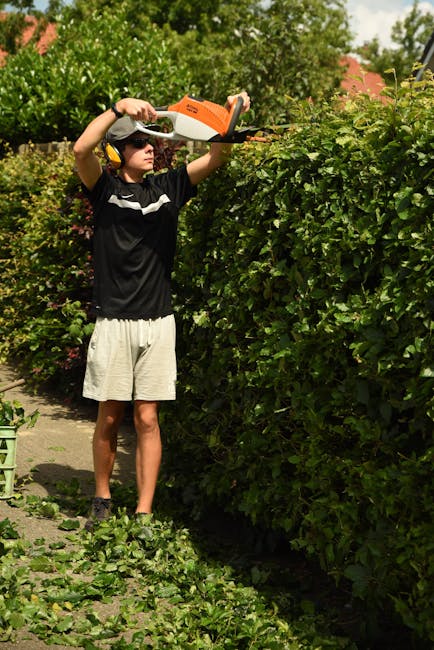
- trim hedges or shrubs and end up with more waste than expected;
- have a tree branch or woody debris that will not fit in a standard bin setup;
- share bins with neighbours and need to avoid disputes;
- are arranging a bigger tidy-up before builders, landscapers, or guests arrive;
- want to avoid paying for disposal mistakes that could have been prevented.
In a typical SE20 street, one person's "just a few bits" can become three bin bags and a bundle of thorny cuttings. Happens all the time. The trick is to plan disposal before you start the job, not after the pile is already sitting on the path in the drizzle.
If you need help restoring order before waste starts stacking up, garden clearance is often the most direct route, while tree lopping and removal is more appropriate when the issue is larger, heavier, or involves woody material.
Step-by-Step Guidance
Here is a practical way to approach garden waste disposal in Penge without overcomplicating it.
- Sort the waste as you go. Keep green waste separate from rubbish, soil, stones, and anything non-biodegradable.
- Check the waste type. Soft clippings, leaves, and weeds are usually straightforward. Thick branches, roots, or mixed debris may need a different disposal method.
- Choose the right container or collection route. Use the council-approved system where available, or arrange an alternative if the waste is too bulky.
- Bag or bundle it neatly. Loose waste creates spillages, and spillages create complaints. Nobody wants that on a wet Tuesday morning.
- Do not obstruct pavements or access routes. Keep public walkways clear and leave bins where they are meant to be placed.
- Remove it promptly. The longer it sits there, the more likely it is to cause trouble, smell, or blow away.
A useful habit is to prepare a "waste corner" in the garden while you work. It keeps everything contained and makes the final clear-up much easier. You will notice the difference straight away.
If the job is more than a small tidy-up, a scheduled visit from a team that handles maintenance regularly can prevent the whole place from spiralling. That is where consistent services like garden maintenance really earn their keep.
Expert Tips for Better Results
Small details matter. Most disposal problems are not dramatic, just untidy or poorly planned. Here are the habits that make the biggest difference.
- Cut waste down before bagging: Shorter lengths are easier to store, move, and collect.
- Keep wet and dry waste separate if you can: Wet grass becomes heavy and smelly quickly.
- Watch for hidden mixed waste: Plant labels, string, old ties, and bits of plastic often get tangled in clippings.
- Time bigger cuts carefully: If you are doing a major prune, do not leave the disposal plan until the end.
- Use the right help for the right job: Lawn clippings are not the same as a boundary hedge full of woody stems.
One small but useful tip: after a wet spell, even a modest pile can become surprisingly heavy. You lift it once and think, oh, that is not so bad. Then you lift it twice and suddenly it feels like a sack of potatoes. Gardening has a funny way of humbling you.
It also helps to pair waste removal with routine care. Services like lawn mowing and hedge trimming keep the growth manageable so disposal never turns into a monthly headache.
Common Mistakes to Avoid
A lot of avoidable issues come from rushing the last ten minutes of the job. Here are the big ones.
- Mixing green waste with general rubbish: This is one of the fastest ways to make disposal harder.
- Leaving bags on the street too early: If collection is missed or delayed, those bags become someone else's problem.
- Assuming bulky means disposable anywhere: Branches, soil, turf, and roots all need more thought than grass cuttings.
- Using the wrong contractor: Cheap is not always cheerful if the waste ends up fly-tipped.
- Ignoring shared-access rules: Flats, alleyways, and communal gardens need extra care because one person's shortcut can block everyone else.
The most expensive mistake is often the quiet one: thinking the pile is "only temporary" and leaving it there overnight. Rain comes, the wind picks up, the bag tears, and by morning the whole thing looks like a small gardening crime scene. Not ideal.
For bigger plots or a very overgrown corner, it is often smarter to combine disposal with broader cleanup work. That may involve landscaping or landscape gardening if you are changing the shape and function of the space rather than just clearing debris.
Tools, Resources and Recommendations
You do not need a van full of equipment to manage garden waste properly. A few good basics go a long way.
| Tool or resource | What it helps with | Why it matters |
|---|---|---|
| Heavy-duty garden bags | Containing leaves, clippings, and light cuttings | Reduces spills and keeps waste easier to move |
| Rake or leaf scoop | Collecting loose material | Makes clean-up faster and tidier |
| Secateurs and loppers | Reducing branch length | Smaller pieces are easier to store and remove |
| Tarpaulin | Moving waste across the garden | Handy for keeping debris off paths and patios |
| Professional clearance support | Large, mixed, or awkward waste loads | Useful when the job is beyond a normal bin routine |
If you are trying to decide whether to handle the waste yourself or bring in help, pricing and scope matter. Our pricing and quotes information can help set expectations before you commit to a bigger job. And if the work needs to be done safely around awkward corners, fencing, or uneven ground, it is sensible to review health and safety policy and insurance and safety details as part of your decision.
Law, Compliance, Standards, or Best Practice
Garden waste rules sit within broader UK waste and local enforcement practice. The details can change by borough, so the safest approach is to follow the local collection guidance for SE20 rather than relying on what a neighbour did last year. Councils tend to be clear on the basics even when the exact service arrangements differ.
From a best-practice point of view, the main compliance principles are simple:
- do not place waste where it blocks the highway or footway;
- keep garden waste separate from household rubbish wherever possible;
- use only approved collection or disposal routes;
- make sure any contractor you use handles waste lawfully and responsibly;
- keep records or receipts if you are paying someone to remove the waste.
That last point is worth a mention. If waste disappears from your garden but later turns up dumped elsewhere, being able to show who collected it can matter. It is not glamorous admin, but it can save a lot of grief.
For people who want to keep disposal aligned with more responsible practice, our recycling and sustainability page reflects the same practical thinking: reduce, sort, reuse where sensible, and dispose carefully when you cannot avoid waste.
Options, Methods, or Comparison Table
There is rarely only one way to deal with garden waste. The best choice depends on the volume, the type of material, and how quickly you need it gone.
| Option | Best for | Pros | Watch-outs |
|---|---|---|---|
| Council collection route | Routine green waste and regular household gardening | Convenient, familiar, usually straightforward | May not suit bulky or mixed waste |
| DIY bagging and removal | Small quantities and well-sorted waste | Flexible and low-cost if done properly | Time-consuming; easy to overload bags |
| Professional clearance | Overgrown gardens, pruning jobs, mixed debris | Fast, tidy, and less physically demanding | Costs more than doing it yourself |
| Ongoing maintenance plan | Gardens that keep producing waste every week | Prevents build-up and keeps the space manageable | Needs consistency, not just a one-off call |
In many homes, the best answer is a mix. For example: regular mowing and trimming, then a scheduled clearance when the season changes or after a long gap. That approach keeps the garden usable instead of waiting for things to go wild. Which, let's face it, is easy to do in spring when everything starts growing all at once.
Case Study or Real-World Example
Picture a typical SE20 back garden after a few weeks of warm weather. The lawn has grown faster than expected, the hedge has started leaning into the path, and a small pile of cuttings has turned into three. Nothing dramatic, just enough to make the space feel untidy and a bit cramped.
The homeowner starts with a quick mow, then trims the hedge, then notices the old dead stems near the fence line. One task becomes three. That is normal. The problem comes when all the waste gets mixed together and left by the side passage overnight because "it will be dealt with in the morning." In the morning, the bags are damp, one has split, and the wind has spread bits of leaf across the patio.
A better approach would have been to sort as they went, keep the waste bundled, and arrange removal straight after the work. If the hedge had been especially large, a service like tree lopping and removal or garden clearance would have been the cleaner route from the start.
The real lesson? Waste handling is not an afterthought. It is part of the job. Once people treat it that way, the whole garden feels easier to manage.
Practical Checklist
Use this checklist before you put out or arrange removal of garden waste in SE20:
- Have I separated garden waste from household rubbish?
- Have I removed plastic, string, pots, stones, and other mixed items?
- Is the waste bagged, bundled, or contained neatly?
- Will it be placed in the right location and on the right day?
- Could any part of the pile obstruct the pavement, alley, or shared access?
- Is the load too bulky for normal collection?
- Do I need help from a professional team?
- Have I checked whether a bigger prune or clearance should be handled as a separate job?
- Have I kept any receipt or record if someone else removed the waste?
If you can tick most of those off, you are usually in good shape. If not, pause and sort it properly. It is a lot easier to fix before collection day than after a complaint lands. One minute of checking saves a week of annoyance.
Get a free quote today and see how much you can save.
Conclusion
Penge council rules for garden waste SE20 disposal and fines are really about common sense, order, and knowing the local expectations before the waste becomes a problem. Keep garden material separate, present it properly, and do not assume a pile of clippings can sit anywhere just because it is natural. That is where most avoidable issues start.
For small gardens, the answer may simply be better sorting and more regular upkeep. For bigger or messier jobs, a proper clearance plan is usually worth it. Either way, the aim is the same: keep the garden pleasant to use, keep the street tidy, and keep yourself out of avoidable trouble.
And honestly, once the waste is gone and the space is clear again, the whole garden feels lighter. You can hear it, almost. Less clutter, more calm.
Frequently Asked Questions
What counts as garden waste in SE20?
Garden waste usually includes grass cuttings, leaves, weeds, hedge trimmings, small branches, and other biodegradable material from routine garden work. Mixed rubbish, soil, rubble, and plastics are generally treated differently.
Can I leave garden waste beside my bins for collection?
Only if it is presented in the way the local collection system allows. Leaving loose bags, overfilled sacks, or mixed waste beside bins can lead to refusal or enforcement if it creates an obstruction or a mess.
What happens if I put the wrong thing in garden waste?
If garden waste is mixed with non-garden material, it may be left uncollected, rejected, or treated as improperly disposed waste. In some cases, that can lead to extra costs or fines if it causes a nuisance.
Are fines common for garden waste mistakes?
They are not automatic, but they can happen when waste is dumped, obstructs public space, or is handled in a way that breaches local rules. The safest approach is to follow the approved disposal route and avoid leaving waste out incorrectly.
Is soil treated as garden waste?
Soil is often handled differently from green waste. It is heavier, less straightforward to process, and may not be accepted in the same way as leaves or cuttings. It is best to check the correct route before disposing of it.
Do I need to separate branches from grass cuttings?
Yes, that is often a good idea. Branches and woody material are bulkier and harder to manage than soft green waste. Separating them helps you choose the right disposal method and reduces the risk of overfilled bags.
What is the safest way to handle a large garden clearance?
The safest approach is to sort the waste, keep access routes clear, and use a disposal method that suits the volume. For larger or more awkward jobs, a professional garden clearance service can reduce both physical strain and compliance risk.
Can a contractor leave waste at the roadside?
Not just anywhere, no. Waste must be placed lawfully and in line with local rules. If a contractor leaves material improperly, that can create problems for the property owner as well as the contractor, so choose carefully.
How can I reduce the amount of garden waste I produce?
Regular mowing, timely hedge trimming, and lighter pruning sessions all help. Smaller, more frequent maintenance jobs usually create less waste than one huge catch-up session after weeks of growth.
What should I do if I am not sure whether my waste is allowed?
Separate it first, then treat mixed or bulky material with caution. If you are still unsure, it is usually safer to arrange a proper clearance rather than risk putting the wrong thing out. When in doubt, slow down a bit and sort it properly.
Is it worth paying for garden waste removal?
It can be, especially if the job is bulky, messy, or time-sensitive. Paying for removal often saves a lot of lifting, sorting, and trips back and forth. For many households, that trade-off is worth it, particularly after a long stretch of growth.
How do I avoid complaints from neighbours about garden waste?
Keep waste contained, avoid blocking shared spaces, and remove it promptly. If you live close to others, try not to leave piles out overnight. A neat garden job is usually well received; a windy mess on the pavement, not so much.